

How And When To File ISF For Water Booties & Socks

Introduction
When it comes to importing goods into the United States, it is crucial to understand the requirements of the Importer Security Filing (ISF) for certain products. In this article, we will discuss the specific guidelines for filing ISF for water booties and socks. By understanding how and when to file ISF for these products, you can ensure a smooth import process and avoid any potential penalties or delays.
Understanding ISF for Water Booties & Socks
The Importer Security Filing (ISF) is a mandatory requirement for shipments entering the United States by ocean vessel. The purpose of ISF is to improve the security of maritime cargo and facilitate more effective risk assessment by U.S. Customs and Border Protection (CBP). ISF must be filed electronically by the importer or their authorized agent at least 24 hours before the cargo is loaded onto a vessel bound for the United States.
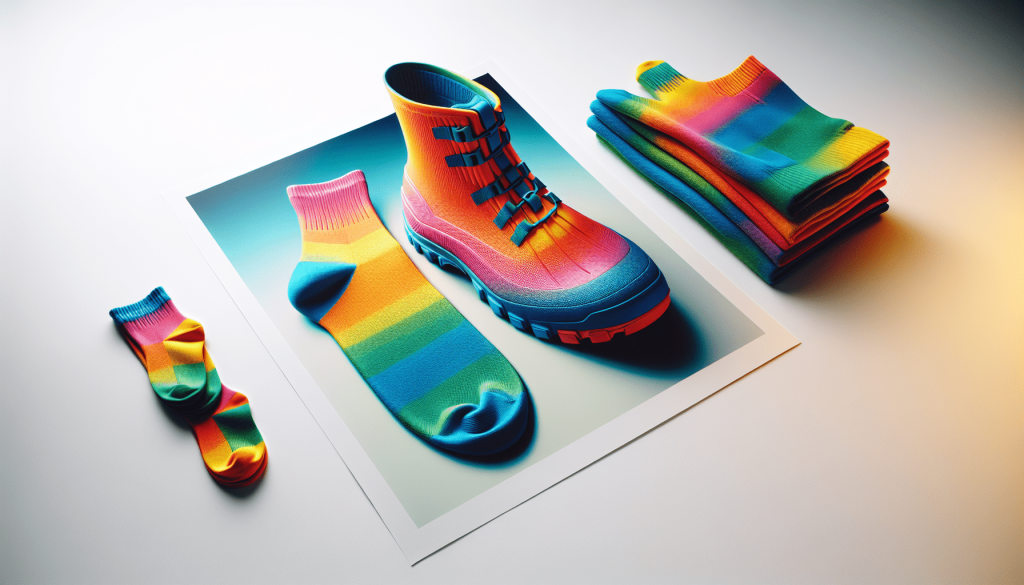
What Are Water Booties & Socks?
Water booties and socks are specialized footwear designed for water sports and activities such as surfing, diving, snorkeling, and swimming. These products are typically made from neoprene or other materials that provide insulation and protection for the feet in cold water environments. Water booties are designed to be worn with wetsuits to provide additional warmth and traction, while water socks are thinner and more lightweight for activities where less insulation is needed.
Import Classification of Water Booties & Socks
Water booties and socks are classified under certain tariff codes in the Harmonized Tariff Schedule (HTS) according to their material composition and intended use. It is essential to correctly classify these products when filing ISF to ensure compliance with U.S. customs regulations and avoid any discrepancies or delays in the clearance process.
When to File ISF for Water Booties & Socks
The ISF must be filed at least 24 hours before the cargo is loaded onto an ocean vessel bound for the United States. This timeframe is crucial to allow CBP to conduct risk assessments and target high-risk shipments for inspection before they arrive at U.S. ports. Failing to file ISF on time can result in costly penalties and delays in clearing your goods through customs.
Preparing ISF Data for Water Booties & Socks
Before filing ISF for water booties and socks, you will need to gather and prepare the necessary information to complete the filing accurately. This includes details such as the importer of record, seller, buyer, manufacturer, supplier, country of origin, HTS classification, and other relevant shipment data. Ensuring the accuracy and completeness of this information is crucial to avoid discrepancies and potential delays in the import process.
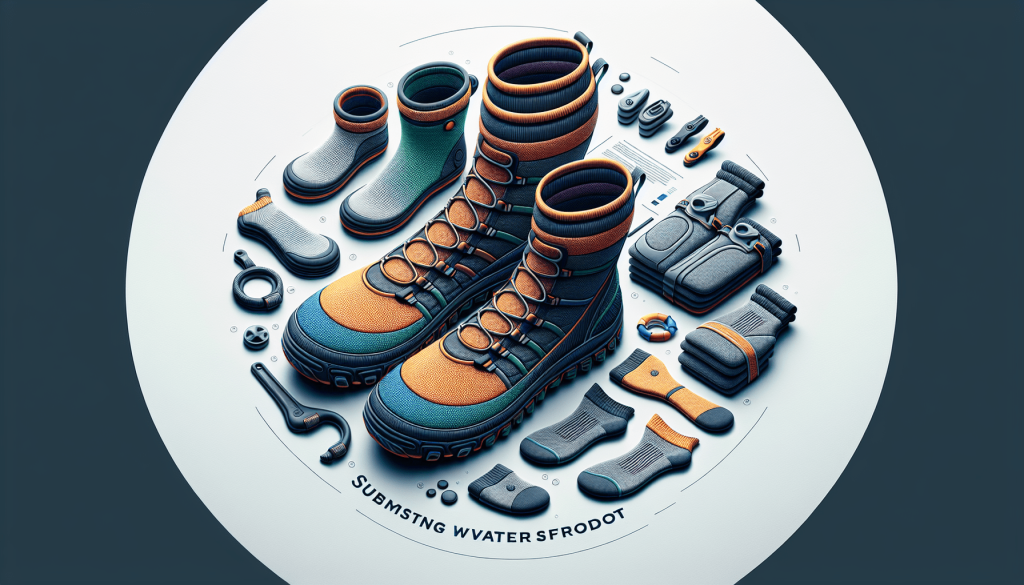
How to File ISF for Water Booties & Socks
Filing ISF for water booties and socks involves submitting the required information electronically to CBP through an authorized electronic data interchange (EDI) system. Importers can choose to file ISF themselves or work with a licensed customs broker or freight forwarder to handle the filing on their behalf. It is essential to use a reliable and secure EDI system to ensure that the information is transmitted accurately and securely to CBP.
Required Information for ISF Filing
When filing ISF for water booties and socks, you will need to provide specific information about the shipment to CBP. This includes details such as the bill of lading number, vessel name, voyage number, shipper, consignee, container stuffing location, consolidator, and other key shipment data. It is crucial to ensure the accuracy and completeness of this information to avoid any discrepancies or errors in the ISF filing.
Utilizing ISF Filing Software
Many importers choose to use specialized ISF filing software to streamline the process and ensure compliance with CBP requirements. ISF filing software allows importers to input the required information, validate the data for accuracy, and submit the ISF electronically to CBP. Using ISF filing software can help importers save time, avoid errors, and simplify the filing process for water booties and socks shipments.
Common Mistakes to Avoid When Filing ISF for Water Booties & Socks
Filing ISF for water booties and socks can be a complex process, and importers must be aware of common mistakes to avoid costly penalties and delays. Some of the common errors to watch out for when filing ISF include:
-
Incorrect or Incomplete Information: Providing inaccurate or incomplete information in the ISF filing can lead to discrepancies and delays in the customs clearance process.
-
Late Filing: Failing to file ISF within the required 24-hour timeframe can result in significant penalties and disruptions to your import operations.
-
Failure to Update ISF: Importers must ensure that any changes or updates to the ISF data are promptly communicated to CBP to avoid discrepancies in the import process.
-
Using Unauthorized Agents: It is essential to work with authorized customs brokers or freight forwarders to file ISF on your behalf to ensure compliance with CBP regulations.

Conclusion
Understanding how and when to file ISF for water booties and socks is crucial for importers looking to navigate the complexities of the U.S. customs clearance process successfully. By following the guidelines outlined in this article and avoiding common mistakes, you can ensure a smooth import experience and maintain compliance with CBP regulations. Remember to gather the necessary information, file ISF on time, and utilize reliable resources to streamline the process and avoid any potential penalties or delays in importing your water booties and socks.