

Why Should I File ISF For Knitted Belts
? Are you importing knitted belts and wondering whether you need to file an Importer Security Filing (ISF) for them?

Why Should I File ISF For Knitted Belts
Filing an ISF is a U.S. Customs and Border Protection (CBP) requirement for ocean shipments arriving to the United States. When you import knitted belts, you’re handling a consumer product that often moves by ocean freight, which triggers the ISF requirement. In this article you’ll learn what ISF is, why it matters for knitted belts, the end-to-end process, common edge cases, and compliance tips to reduce delays and fines.
What is ISF (basic definition)
ISF stands for Importer Security Filing, sometimes called “10+2.” It’s a data set that importers (or their agents) must submit to CBP at least 24 hours before the cargo is loaded onto a vessel destined for the U.S. The goal is to give CBP advance information to assess risk.
Why ISF matters specifically for knitted belts
Knitted belts are consumer goods that may be sold in retail stores, online marketplaces, or distributed through fulfillment centers. Because they are typically transported in ocean containers, filing ISF helps you:
- Avoid cargo holds and release delays at U.S. ports.
- Prevent late filing penalties (civil penalties can be substantial).
- Provide accurate data for supply chain visibility and customs compliance.
Who is responsible for filing
You are ultimately responsible as the importer of record, though you can authorize a customs broker or freight forwarder to file on your behalf. If you do use a broker, verify they file timely and accurately and that you receive confirmation.
Start-to-finish ISF process for knitted belts
Step 1 — Gather required ISF data
You’ll need specific data elements. Prepare these early to prevent last-minute scrambling:
- Importer of record name and address
- Consignee/ship-to party
- Seller/es/owner/owner of the merchandise
- Buyer (if known)
- Ship-to name and address
- Country of origin for the belts (e.g., China, Vietnam, etc.)
- Harmonized Tariff Schedule (HTS) number(s)
- Container stuffing location (where the belts are loaded)
- Consolidator (stuffer) name and address
- Vessel name and voyage number
- Bill of Lading number
Step 2 — Choose your filer
Decide whether you’ll file ISF yourself using an electronic system certified to transmit to CBP or whether you’ll authorize your customs broker. If you use a broker, confirm the master bill and house bill details align.
Step 3 — Submit at the right time
File no later than 24 hours before the cargo is laden aboard the vessel at the foreign port. You can submit earlier if you have the data. Late submission opens you to penalties and increased risk of hold.
Step 4 — Monitor and respond
Keep an eye on filing acceptance or rejection messages. If CBP issues a rejection, correct and resubmit promptly. Keep records of the filing and any messages for at least five years.
Edge cases you should know about
Consolidations and multiple HTS codes
If your container holds knitted belts from multiple sellers or styles with different HTS numbers, list each HTS and its associated mark/number or line item. Misreporting HTS can lead to misclassification and penalties.
Transshipments and intermediate stops
If the vessel transships or your belts move through intermediate ports, you still must file ISF for the first U.S.-bound loading. Confirm the voyage number and bill of lading used by the carrier for U.S. import.
“Hand-carry” or air freight situations
ISF applies to ocean shipments; if you hand-carry or ship by air, ISF is not required. However, similar advance data submissions may be required for other modes, so consider mode-specific compliance.
When product details change after filing
If merchandise descriptions, HTS, or container stuffing location change, you must update the ISF as soon as possible. CBP allows amendments; prompt updates reduce the likelihood of enforcement action.
Compliance tips to prevent issues
Keep accurate documentation
Maintain purchase orders, invoices, packing lists, and supplier confirmations. These documents support the ISF elements and help validate your HTS and country of origin claims.
Use standardized HTS codes
Assign precise HTS codes for knitted belts. If you’re unsure, consult a customs broker or use a binding ruling to avoid misclassification.
Establish clear data flows with suppliers
Ask suppliers for consistent data: origin certificates, packing detail, container stuffing locations, and timely bill of lading info. Automated data exchanges reduce last-minute issues.
Work with a reliable broker or provider
If you prefer outsourcing, choose an experienced customs broker who understands garment accessories like knitted belts and who guarantees timely ISF submission. For example, consider a service such as e Customs Clearing – Your Partner for Entry Filing, Bonds & Trucking to handle ISF and related logistics.
Penalties and consequences for non-compliance
Monetary penalties
Late ISF filings can trigger civil penalties. CBP may assess monetary fines that vary depending on the degree and frequency of non-compliance.
Operational consequences
CBP may board the vessel, hold your container, or subject shipments to additional inspections. That can cause cost overruns from demurrage, detention, and storage.
Reputational risks
Repeated non-compliance can flag your company with CBP, raising audits or enforcement scrutiny that affects import privileges.
Checklist before shipment
- Confirm HTS codes and country of origin for each belt SKU.
- Ensure seller, buyer, and importer names and addresses match official documents.
- Obtain container stuffing location and consolidator information before loading.
- Verify the vessel name, voyage, and bill of lading are available at least 24 hours before loading.
- Choose a reliable filer and confirm ISF acceptance.
Final recommendations
You should view ISF as an integral part of your import workflow for knitted belts. Accurate, timely ISF filing reduces risk, avoids fines, and speeds customs release. Build standardized processes, keep clear communication lines with suppliers and carriers, and consider a trusted broker to manage filings so you can focus on selling and distribution.
If you want a partner for entry filing, bonds, and trucking that understands garment accessories, consider contacting a proven provider like e Customs Clearing – Your Partner for Entry Filing, Bonds & Trucking to streamline your ISF and inland logistics.
? Are you preparing to import knitted belts and uncertain about when or why to submit an ISF?
Why Should I File ISF For Knitted Belts
ISF filing is a critical compliance step for ocean shipments to the U.S. For knitted belts, ISF helps CBP assess risk, manage security, and process imports efficiently. This article gives you actionable guidance from definitions to real-world compliance advice so you’ll know exactly what to do and why it matters.
Quick ISF definition for your import team
ISF (Importer Security Filing) is an advance electronic submission to U.S. Customs required for ocean cargo. You must submit it before the goods are loaded on the vessel bound for the U.S.
How knitted belts fit into ISF rules
Knitted belts are typical ocean-freight items subject to ISF rules. Because they’re often shipped in bulk shipments or consolidated containers, accurate ISF data is necessary to avoid holds and fines.
What exact data you must supply
Mandatory ISF elements (what you need now)
You should collect:
- Importer of record name and address
- Seller, buyer, and ship-to names and addresses
- Country of origin for the belts
- HTS classification(s)
- Container stuffing location and consolidator
- Vessel name and voyage number
- Bill of Lading
Store these details in a central document to speed up submissions.
Why exactness matters
Minor mismatches (e.g., misspelled addresses or incorrect container numbers) can cause CBP to reject or query your filing. Always cross-verify data with the freight forwarder and supplier.
Step-by-step ISF workflow you can implement
Step A — Pre-shipment data collection
Request HTS, origin, packing list, and stuffing location from your manufacturer at least two weeks before sail. This prevents rush filings.
Step B — Assign a filer
Decide whether you’ll file through your customs broker or an in-house system. If using a broker, give explicit authorization and confirm timelines.
Step C — Submit ISF
File 24 hours before loading; file earlier if possible. Keep the confirmation and communicate acceptance to downstream partners (e.g., your warehouse).
Step D — Track and adjust
Monitor status and amend if needed. If cargo is held or selected for exam, coordinate with your broker on inspection and release.
Edge cases and how to handle them
Split shipments and multiple HTS lines
If your container contains belts with different HTS codes or from different vendors, itemize each line and associate container marks to each.
Supplier changes last minute
If the stuffing location or consolidation changes after you filed, submit an amendment immediately. Late amendments are better than no correction.
Reconsignment in transit
If the shipment is reconsigned to another consignee, inform your filer and update ISF data to reflect the new consignee before arrival.
Compliance tips to keep you safe
Keep records
Maintain records for five years. Records provide evidence in audits and help defend classifications or origin claims.
Use consistent product descriptions
Standardized descriptions reduce classification disputes and help CBP expedite review.
Ask for binding rulings if uncertain
If you’re unsure about HTS classification or origin, consider a binding ruling request to CBP for long-term certainty.
Choose reliable partners
A trusted broker can save time and fines. If you need a streamlined option that handles ISF and customs clearance, consider e Customs Clearing – Simplify ISF Filing and Customs Clearance to manage filings and reduce your workload.
Costs, penalties, and practical impacts
Potential fees and fines
Late or inaccurate filings can lead to civil penalties and additional inspection costs. Factor these into landed-cost calculations.
Operational delays
Holds at the port lead to demurrage and disruption of your fulfillment timelines. Accurate ISF reduces the probability of such delays.
Final action plan for your next shipment
- Create an ISF checklist tailored to your knitted belt SKUs.
- Confirm data with suppliers at least 14 days before sail.
- Assign a filer and confirm submission timelines.
- Keep records and monitor CBP messages.
Following these steps should make ISF filing straightforward and keep your knitted belt shipments moving smoothly. If you want assistance that merges filing and customs services, consider engaging a professional provider such as e Customs Clearing – Simplify ISF Filing and Customs Clearance.
? Do you import knitted belts and need a clear explanation of whether ISF applies and how to comply?
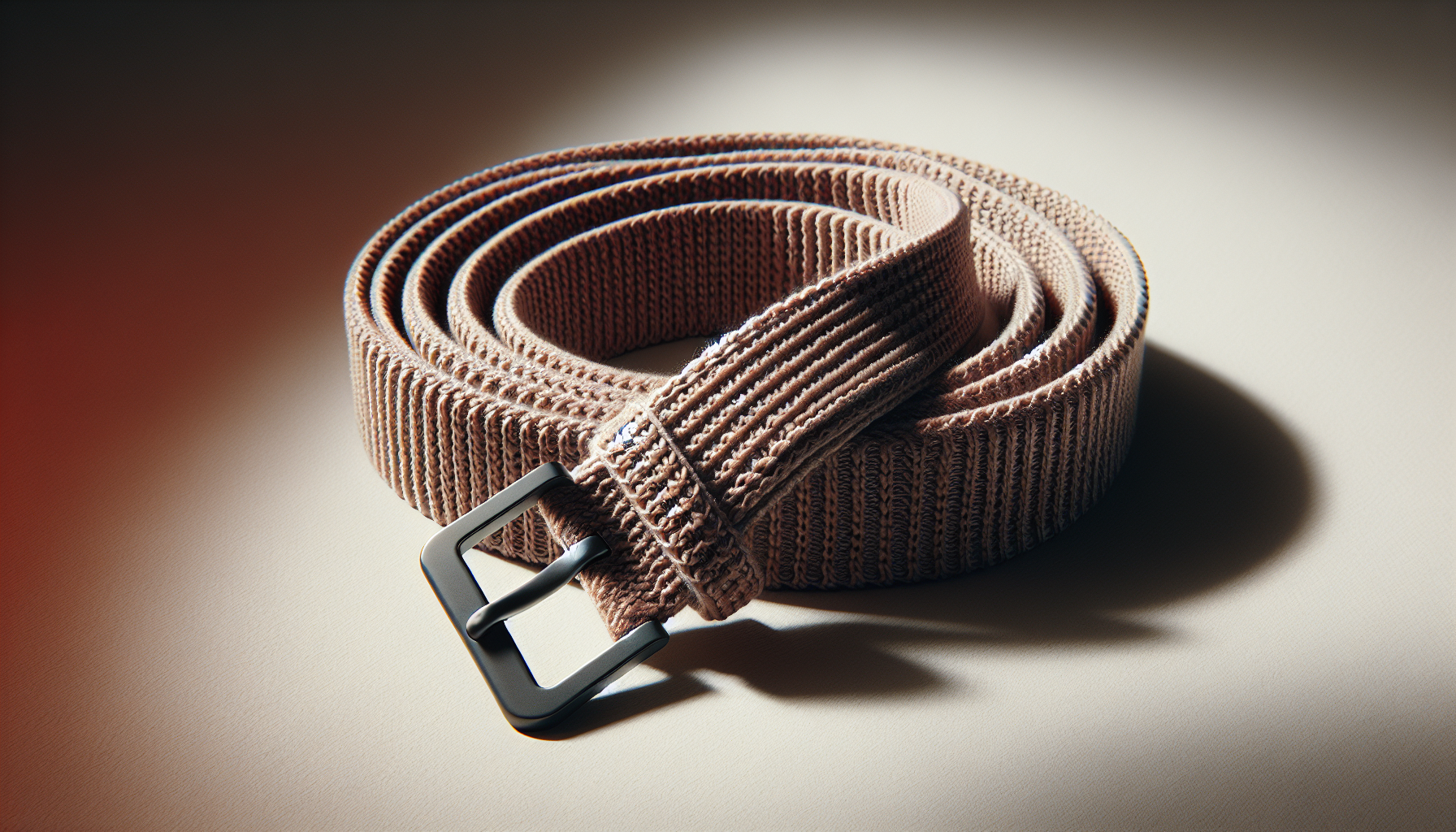
Why Should I File ISF For Knitted Belts
This guide explains the ISF requirement and walks you through the full compliance lifecycle for knitted belts, covering definitions, step-by-step filing, edge cases, and compliance tips so you can confidently manage shipments to the U.S.
ISF in a nutshell
ISF means you must submit specific shipment information electronically to CBP prior to loading on a U.S.-bound vessel. It’s designed to improve port security and cargo targeting.
Why knitted belts frequently trigger ISF
Knitted belts are typically shipped in ocean containers, often in consolidated cargo. That common shipping method triggers the ISF requirement for the importer.
Expertise depth — classification and origin considerations
HTS classification for knitted belts
You must assign the correct HTS code to each belt style. The correct code affects duties and quota treatment. If you’re unsure, consult a tariff specialist or request a binding ruling.
Country of origin and marking
Country of origin affects duties and labeling. Obtain certificates of origin and mark the goods if required by the Tariff Act.
A complete user journey for ISF filing
Preparation (you)
Collect invoices, packing lists, HTS, origin, and container stuffing details well before the vessel sails. Automated templates help.
Execution (filer)
Either you submit ISF using a compatible electronic filing system or authorize your customs broker. Confirm filing acceptance.
Post-submission (monitor)
Watch for rejections and respond to CBP notices. Coordinate with the carrier if exam or hold occurs.
Fresh perspective value — smart automation
Consider automating ISF data flows between your suppliers, forwarders, and brokers. Automation reduces human error, streamlines multiple shipments, and provides audit-ready records. Automation also enables earlier identification of missing data like HTS or stuffing locations.
Common edge cases and solutions
Consolidated containers with multiple shippers
If you’re a consignee in a consolidated container, coordinate with the consolidator to ensure your specific items are properly identified in the ISF.
Manufacturer mis-declares origin
If your supplier misstates origin, obtain corrected papers immediately. If CBP discovers discrepancies, you may face fines; proactive correction limits exposure.
Bills of lading mismatch
If your house or master bill details differ from ISF, reconcile them with your forwarder. Discrepancies delay release.
Practical compliance tips
Build an ISF SOP
Document who collects data, who reviews, and who files. An SOP prevents last-minute errors.
Conduct periodic audits
Review random filings to find systematic data errors and retrain partners as needed.
Maintain backup documents
Keep electronic copies of invoices, certificates, and stuffing records for CBP audits.
Use a reliable broker
If you want a broker experienced with various shipment types and quick filing times, consider a provider such as e Customs Clearing – Trusted U.S. Customs Broker for All Shipment Types for comprehensive support.
Final thoughts
Filing ISF for knitted belts is not optional for ocean shipments to the U.S. Set up strong data practices, work with experienced partners, and automate where possible to reduce risk and keep your supply chain moving.
? Are you shipping knitted belts to the U.S. and uncertain whether ISF filing will affect your arrival timelines?
Why Should I File ISF For Knitted Belts
This article gives you step-by-step guidance to file ISF correctly for knitted belts, highlights edge cases, and offers compliance tips that help you avoid fines and port delays. You’ll also get a practical checklist to implement right away.
ISF basics for quick reference
ISF is required for ocean imports to the U.S. It must be filed at least 24 hours before loading. Failure to comply can result in fines and examination delays.
Who needs to act
As the importer of record, you’re responsible. You can authorize a broker to file on your behalf, but you must ensure accuracy and retention of records.
Start-to-finish guide for your knitted belts
Step 1: Identify SKUs and HTS
List each belt SKU and its HTS. Accurate HTS helps CBP classify and assess duties properly.
Step 2: Collect origin and supplier data
Confirm the country of origin and obtain supplier information. This includes the seller’s name and address.
Step 3: Get container stuffing details
You must identify where the container was stuffed and who the consolidator is. This is crucial for ISF accuracy.
Step 4: File ISF timely
Submit at least 24 hours prior to loading. Monitor acceptance status and amend if necessary.
Step 5: Coordinate with carrier and broker
Ensure the bill of lading, container numbers, and voyage details match the ISF filing to avoid discrepancies.
Edge cases and practical resolutions
Mixed shipments with accessories
If your container includes belts and other garment accessories, document each commodity and associated HTS lines. Separate line items in the ISF to avoid confusion.
Last-minute changes to shipment composition
Amend the ISF as soon as changes occur. Document why changes were made and preserve supplier emails as evidence.
Non-vessel operating common carriers (NVOCC) issues
If you use an NVOCC, ensure the master bill data flows to your ISF filer. Miscommunications between house and master bills often create delays.
Compliance and cost-saving tips
Centralize your ISF data
Use a shared repository or ERP integration to gather ISF elements. This reduces last-minute data collection and errors.
Negotiate service-level agreements (SLAs)
Set SLAs with suppliers and brokers for timely data transmission. Include penalties in contracts for repeated failures to provide required ISF data.
Train internal teams
Educate procurement and logistics staff on ISF deadlines, required data, and consequences for non-compliance.
Consider bundled services
Using a single provider for ISF filing, customs entry, and inland transportation can reduce friction. For assistance coordinating import processing across modes, try a provider like e Customs Clearing – Seamless Import Processing for Air, Sea & Hand-Carry.
Quick checklist before each shipment
- Verify HTS and origin
- Confirm seller, buyer, and ship-to information
- Obtain container stuffing location and consolidator
- Get vessel name, voyage number, and bill of lading before filing
- File ISF and store confirmation
Final recommendation
Treat ISF as a routine part of your import checklist. With good data governance and dependable partners, filing for knitted belts becomes a low-friction step that protects your shipments from delays and penalties.
? Do you import knitted belts and want a practical, compliance-focused guide on ISF filing that reduces headaches and cost?
Why Should I File ISF For Knitted Belts
This final article summarizes the legal need for ISF, walks you through the filing process, addresses tricky scenarios, and gives compliance strategies tailored to knitted belts. You’ll leave with a clear action plan to keep shipments moving.
Why ISF is required for ocean shipments
CBP requires ISF to enhance maritime security and to help target shipments for inspection. If your knitted belts arrive by sea, ISF applies.
Immediate benefits for you
Timely ISF submission reduces port holds, avoids penalties, and speeds release, helping you meet delivery promises.
Detailed start-to-finish process
Preparation phase
Compile invoices, packing lists, HTS codes, and origin statements. Confirm container stuffing location and consolidator details.
Filing phase
File electronic ISF at least 24 hours before loading. If you file through a broker, provide written authorization and all required data early.
Post-filing phase
Keep the ISF confirmation, address any rejections immediately, and be ready to provide supporting documents if CBP requests them.
Edge cases that commonly trip importers
Consolidation mismatches
If you’re part of a consolidated load, ensure your items have unique marks or references that the consolidator will include in the ISF. This prevents your goods from being misidentified.
Returned shipments or re-exports
If shipments are returned or re-exported, maintain accurate records and file amendments when applicable to reflect the true transaction.
Misdeclared goods
If your supplier misdeclares the product (e.g., describes a belt as fabric instead of accessory), correct the ISF and related entry documents promptly to avoid penalties.
Compliance tips to protect you
Regularly review carriers and brokers
Keep a vetted list of carriers and brokers that consistently meet ISF timelines. Performance reviews reduce surprises.
Implement data validation checks
Before filing, validate addresses, HTS, and container numbers against source documents. This reduces CBP rejections.
Maintain an audit trail
Store emails, authorizations, and confirmations for five years. This is CBP’s recommended retention period and helps in audits.
Cost control
Factor potential demurrage and penalty risks into your landed cost calculations and contract terms with suppliers.
Final checklist and action items
- Centralize ISF data collection and storage.
- Confirm HTS, origin, and stuffing location before the 24-hour window.
- Authorize a reliable filer and confirm acceptance messages.
- Have a plan for amendments and quick corrections.
- Keep documentation securely for audits.
If you want a fast, affordable solution for ISF filing and entry services that can help you manage knitted belt imports end-to-end, consider using providers like e Customs Clearing – Fast, Affordable Customs Entry & ISF Filing Services to reduce risk and administrative burden.